REVIEW · FISHING TRIPS
Ancestral fishing: Fishing with an experienced Rapa Nui
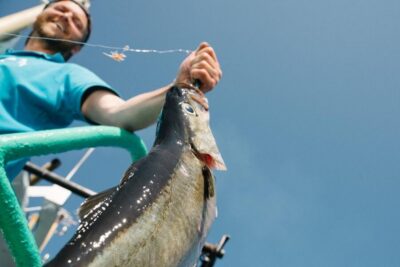
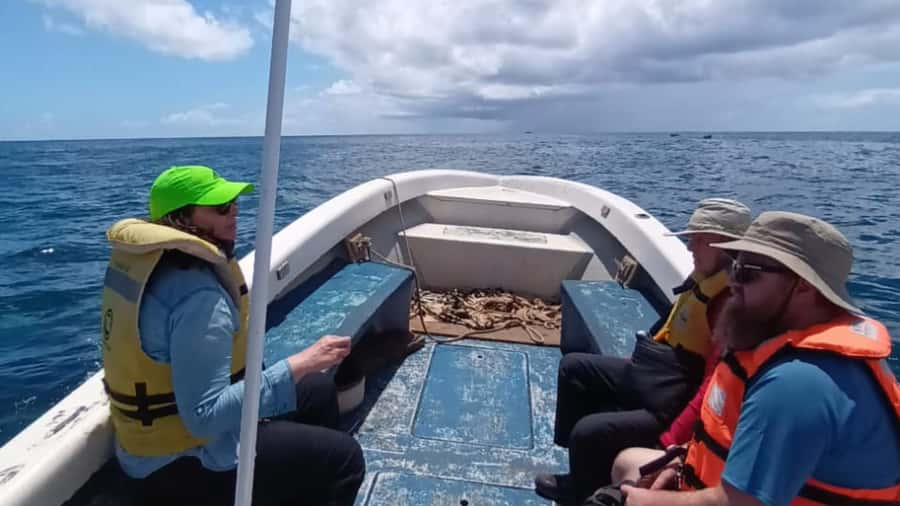
Fishing off Rapa Nui gives you a side of the island that a visit to the moai alone cannot provide. You leave Hanga Roa by boat, work with a native Rapa Nui fisherman, and learn how local people have long made a living from the Pacific Ocean. The catch is not guaranteed, but the open-water setting and views can make the trip worthwhile even on a slow fishing day.
I like two things here. First, the experience is hands-on: your guide helps prepare the equipment and shows you how the fishing is done, rather than leaving you to watch from the side. Second, the private format and hotel pickup make this an easy three-hour outing, with time to see Hanga Piko, Ana Kai Tangata, and coastal areas near the island’s birdman sites.
The main drawback is that weather and fish activity control the day. One recent outing produced a fish, while another had spectacular views but little action. English ability can also vary, so travelers who speak only English should confirm language support before booking.
Key points to know before you go
- You fish with a native Rapa Nui guide: The focus is on traditional local methods, island culture, and practical instruction.
- The trip lasts three hours: About two hours are devoted to the boat outing, with short stops at Hanga Piko and Ana Kai Tangata.
- Your catch may become dinner: The fishermen can prepare the fish, but food itself is not included.
- The tour is private: You receive hotel pickup and return, and the boat is reserved for your group.
- The ocean views are part of the reward: On quiet fishing days, you may still see the coast, offshore islands, and areas linked with the birdman tradition.
- Bring a change of clothes: You are on the water, and sandals, beachwear, sunscreen, comfortable shoes, and spare clothing all make sense.
Fishing with Rapa Nui knowledge, not a standard boat ride
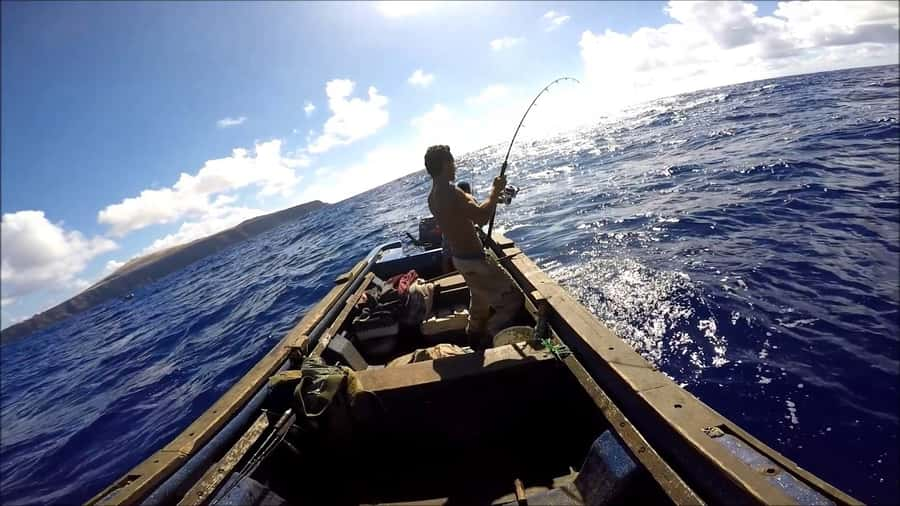
This tour is best understood as a cultural fishing outing rather than a guaranteed catch. You are not simply taking a sightseeing cruise with a rod added on. The point is to go out with a native Rapa Nui fisherman, learn how the equipment is prepared, and take part in a practice tied to island life.
That distinction matters. Rapa Nui is often reduced to moai, quarry sites, and dramatic coastal views. Those are essential, but the ocean is just as important to the island’s identity. Fishing lets you spend time with a living tradition and hear about local culture in a setting where that culture makes immediate sense.
The guide takes you through the process step by step. You can expect help with the fishing equipment and an explanation of how the technique works. The supplied information does not name the fishermen, so you should not book expecting a particular guide. It does specify English and Spanish as the tour languages, but language ability may depend on the person leading your departure.
One English-speaking visitor found communication difficult on a rescheduled outing, while another had a guide who spoke great English and worked hard to find fish. That tells you something useful: ask about the language for your particular date if you do not speak Spanish. It can make a real difference in a tour built around instruction and conversation.
A few more fishing trips around the world worth a look
- Tromsø: Arctic Fjord Cruise & Fishing Experience
★ 4.7 · 4,588 reviews - Rovaniemi: Snowmobile and Ice Fishing Adventure with Lunch
★ 4.8 · 879 reviews - Makarounas Fishing Boat Trip with swimming stop and BBQ on board
★ 5.0 · 831 reviews
Leaving Hanga Roa for Hanga Piko
Pickup begins in Hanga Roa, the main settlement on Rapa Nui. The provider collects you from your hotel or another location you specify, then takes you toward Hanga Piko.
Hanga Piko is a practical starting point for the sea portion of the outing. It also gives you a quick introduction to the island’s working waterfront before you head farther out. The stop is listed as a guided visit of about 10 minutes, so think of it as a short orientation rather than a full harbor tour.
That short timing is useful if you want to fit fishing around a morning visit to the moai sites or an afternoon at a museum. It also means you should not expect a long explanation or a leisurely walk here. The emphasis is on getting you to the boat and onto the water.
For many people, the transition from hotel pickup to harbor is part of the pleasure. You move quickly from the familiar center of Hanga Roa to a more practical coastal setting, then begin the main activity. The private group format means you do not have to adjust to a large bus group once the fishing begins.
Ana Kai Tangata and the first coastal views
The next stop is Ana Kai Tangata, where you have about 10 minutes for a photo stop. This is a brief pause, but it breaks up the transfer and gives you a chance to take in the coastline before the longer boat session.
You should keep your expectations in proportion. This is not a full archaeological visit, and the stop does not replace a dedicated tour of Rapa Nui’s caves or ceremonial sites. It is a quick scenic and cultural marker on the way to the fishing grounds.
The coast is one of the strongest parts of this experience. One outing included views toward the offshore islands associated with the birdman areas. Those sights may depend on the route, sea conditions, and weather, so consider them a possible bonus rather than a fixed promise.
Bring your camera, but protect it from spray. The tour information specifically recommends beachwear, sandals, sunscreen, and a change of clothes. Those suggestions are not decorative packing advice. You are going onto the ocean, and a dry shirt at the end can make the return trip much more comfortable.
Two hours on the Pacific Ocean
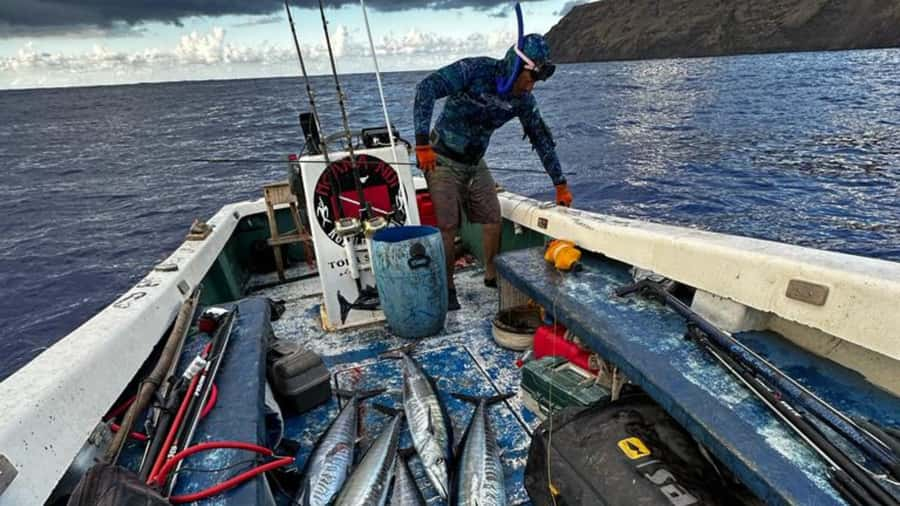
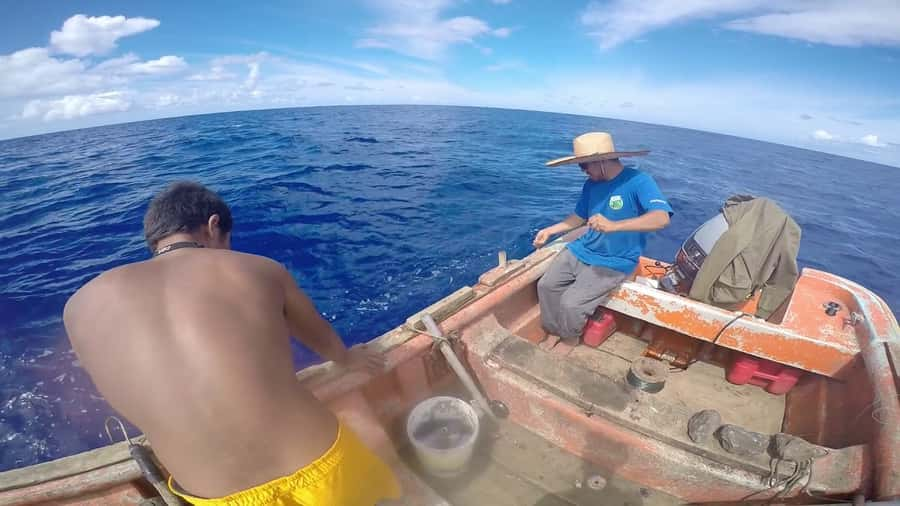
The main portion lasts about two hours and takes place at the fishing location identified in the schedule. This is where the tour earns its price. You work with the fisherman, use the provided gear, and learn the local method rather than simply looking at the water.
The package includes fishing equipment, a lifejacket, and snorkeling equipment. Snorkeling gear is included as equipment, but the information does not promise a separate snorkeling session. Do not book this expecting a dedicated reef swim or underwater tour. The clear focus is ancestral fishing.
You may spend much of the session moving between areas where the guide expects better results. That happened on one trip, when the fisherman steered back and forth through places he knew could be productive. His effort mattered, but the fish still had the final say.
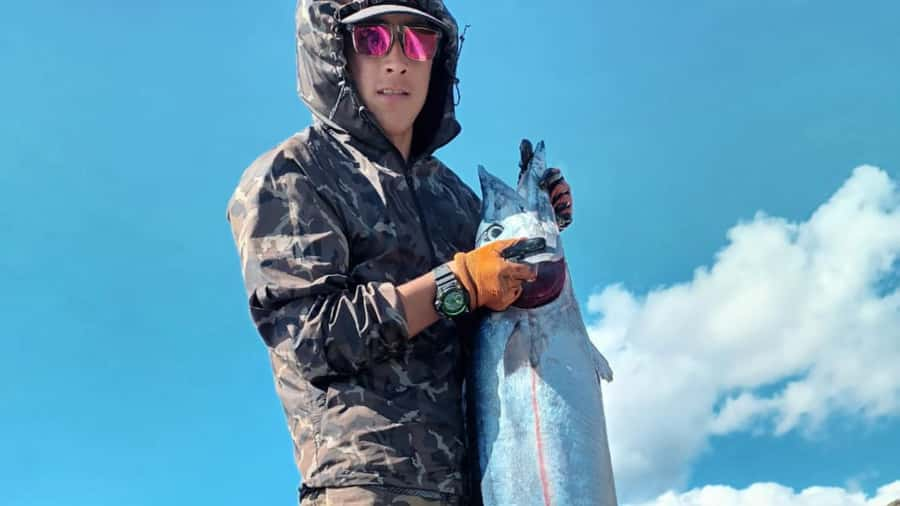
Fishing is shaped by conditions you cannot control. One departure caught a fish. Another had an excellent boat trip and wonderful views but poor fishing. The honest way to judge this experience is to ask yourself if you would still enjoy two hours at sea if the line stayed quiet. If the answer is yes, you are a good match.
The private setup helps here. You can ask questions, follow the instruction at your own pace, and spend more time with the guide than you would in a larger shared group. It also gives you room to focus on the fishing instead of competing for equipment or attention.
Same water, a different day out:
- Bering Sea Crab Fisherman’s Tour from Ketchikan
★ 5.0 · 747 reviews - Drift Fishing Trip off the Coast of Fort Lauderdale
★ 4.5 · 644 reviews - From Svolvaer: Lofoten Fishing Boat Cruise
★ 4.7 · 621 reviews - Half-Day Fishing Trip in Fort Lauderdale
★ 4.5 · 607 reviews
What happens to the fish you catch
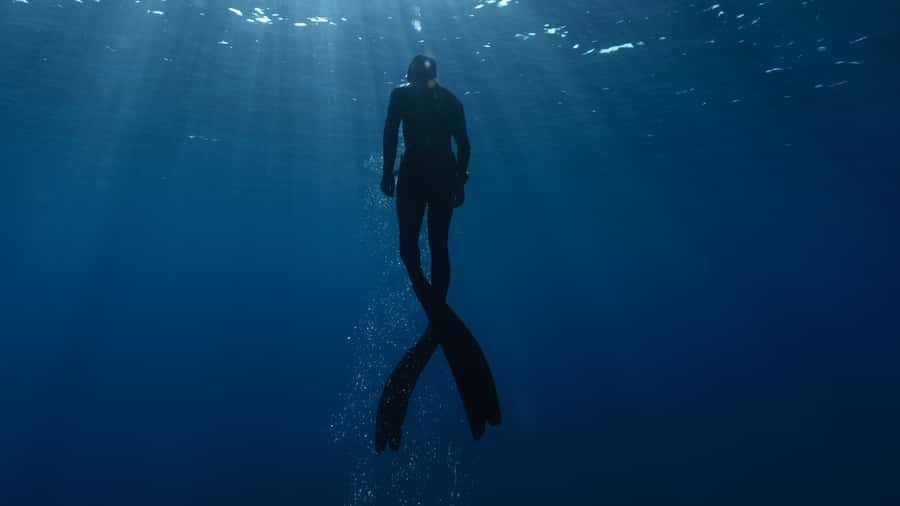
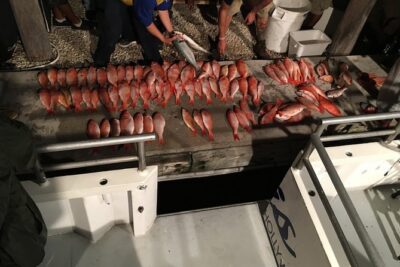
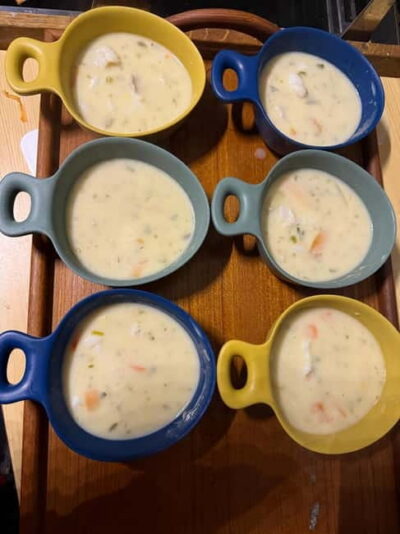
The experience description says the fishermen will prepare your catch so you can enjoy it as a local dinner. That is a pleasant finish, but you should clarify the exact arrangement before you go, since food is listed as not included.
You should also know that the fish may not be filleted. One visitor needed a bucket of water and found it messy when transporting the catch. If you plan to take fish away rather than eat it with the fishermen, bring a cooler, bags, or another suitable container.
This small detail matters more than it may seem. A freshly caught fish is a memorable souvenir of the outing, but it is not a tidy object to carry through town. If the provider prepares it for you, ask when and where you will eat it. If you take it elsewhere, plan for storage and cleanup.
The meal element adds a useful local touch, but it should not be the sole reason you book. The catch is uncertain, and the food arrangement is not part of the $180 price. Think of it as a possible end to the experience, not a restaurant meal included with your ticket.
Is $180 per person a fair price?
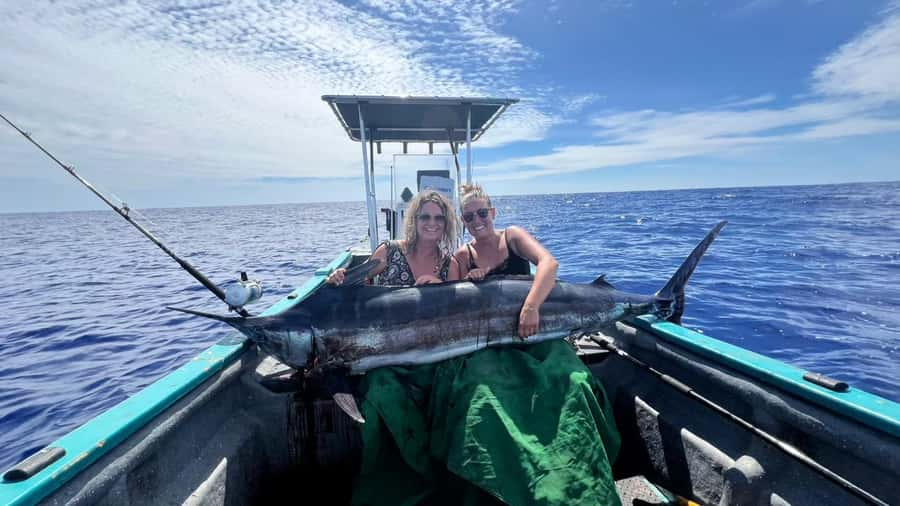
At $180 per person, this is not a budget fishing trip. The value comes from the private boat outing, hotel pickup and return, personal instruction, equipment, and cultural exchange with a native Rapa Nui fisherman.
You are paying for access and context, not just time on the water. A standard boat excursion might give you coastal views, but this one asks you to take part in the fishing itself. If you already plan to spend your entire visit seeing archaeological sites from land, this offers a meaningful change of pace.
The price is easier to justify for people who care about fishing or want a personal cultural activity. It is harder to justify if you need a guaranteed catch, a substantial included meal, or a full-day boat adventure. Three hours is enough to make the experience fit into a busy Rapa Nui schedule, but it also limits how much time you have for fishing if the conditions are poor.
The rating is 4.4 from three verified bookings, which suggests a generally strong experience but not a large enough sample to promise perfect conditions. The clearest pattern is that the guide’s effort and the views were praised, while weather, fish activity, and language could affect the outcome.
Weather, language, and practical comfort
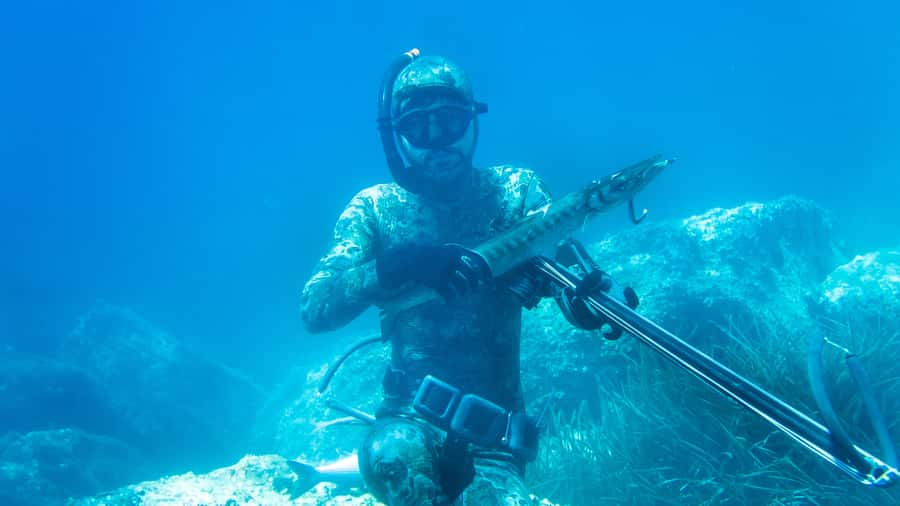
You should schedule this outing with some flexibility. A departure was moved by a day because of weather, and the change left one visitor with much less time available. If fishing is important to you, avoid placing it on the final possible day of your island stay.
That simple planning choice gives you room to reschedule if the sea is unsuitable. The cancellation terms allow a full refund when you cancel at least 24 hours ahead, and you can reserve without paying immediately. Still, weather changes can affect your plans, so leave breathing room in your schedule.
Language deserves equal attention. English and Spanish are offered, but the actual level of English may differ by guide. If you speak only English, confirm that an English-speaking fisherman will lead your trip. If you know some Spanish, even basic phrases may help you understand fishing instructions and cultural explanations.
Wear clothing you can get wet. Comfortable shoes, sandals, beachwear, sunscreen, and a change of clothes are all recommended. A lifejacket and fishing equipment are provided, as is snorkeling equipment, but you should bring any personal items you need for sun and sea comfort.
Who will enjoy this experience most?
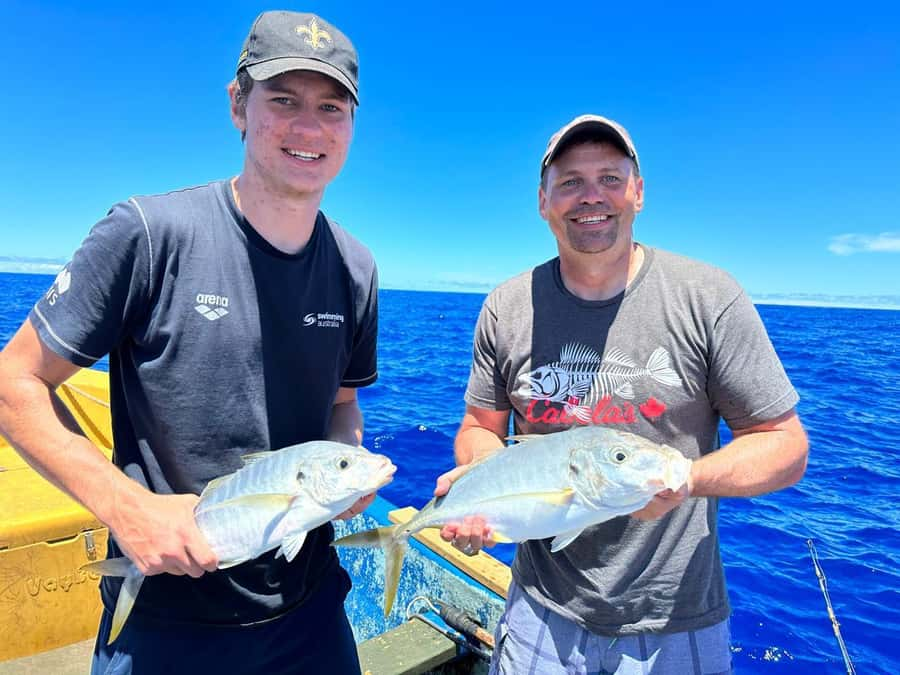
I would recommend this outing to you if fishing is already part of your idea of a good holiday. You do not need the catch to be the whole point, but you should enjoy the process, the wait, and the open water.
It also suits anyone who has already seen several major archaeological sites and wants a more personal connection with island life. Working beside a local fisherman creates a different kind of cultural encounter. You learn through doing, not only through looking at monuments.
Families and groups may appreciate the private format, though the supplied information does not specify age limits or child policies. Since the activity takes place on the ocean, each person should be comfortable with a boat outing and able to use the provided safety equipment.
This is less suitable for you if you want a packed sightseeing schedule, a guaranteed meal, a guaranteed fish, or a polished luxury cruise. It is also not the right pick if you are uncomfortable with uncertain weather or cannot communicate easily with the guide.
Should you book ancestral fishing on Rapa Nui?
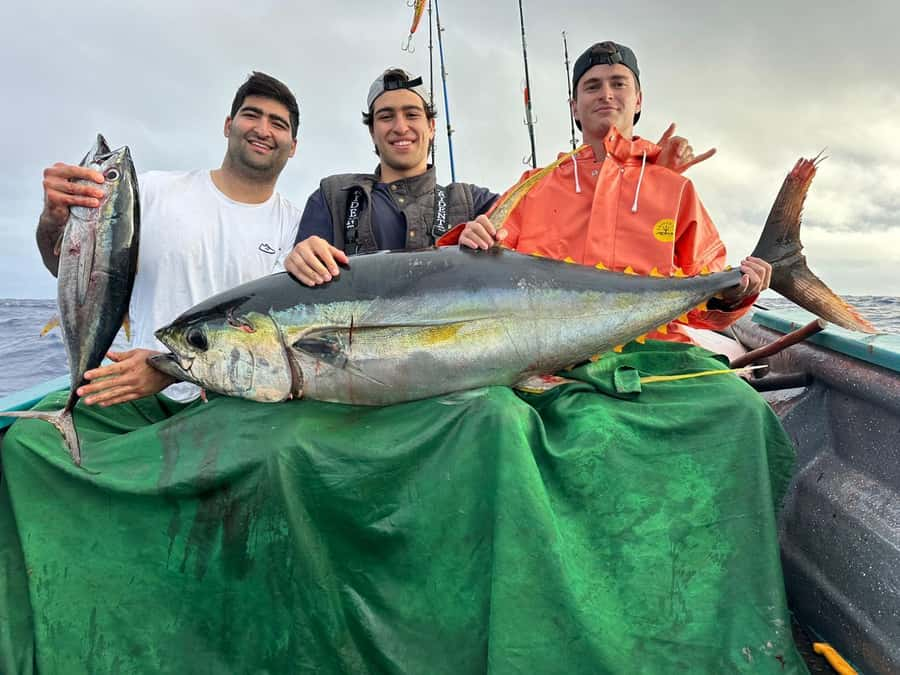
Book it if you want a hands-on ocean experience and can accept that nature sets the schedule. The strongest reasons are the private format, the native Rapa Nui fisherman, the chance to learn traditional techniques, and the possibility of eating your catch.
Before paying $180, confirm three points: the guide’s English level, the plan for preparing or transporting the fish, and the weather outlook. If you have a short stay, place the activity early enough to allow a weather change.
I would choose this tour over another coastal boat ride if fishing and local contact matter to you. If your priority is guaranteed sightseeing or a reliable meal, spend your money elsewhere. On a good day, you return with a fish and a story. On a slow day, you still get time on the Pacific with views that cannot be recreated from Hanga Roa’s streets.
FAQ
Where does the ancestral fishing tour begin?
Pickup begins in Hanga Roa. Hotel pickup and return are included, and the provider says pickup can take place at any location you specify.
How long does the experience last?
The total duration is three hours. The schedule includes a 10-minute guided visit at Hanga Piko, a 10-minute photo stop at Ana Kai Tangata, and about two hours for the main boat and fishing portion.
Is the tour private?
Yes. The activity is offered for a private group.
What languages are available?
The stated tour languages are English and Spanish. English ability may vary by guide, so English-only visitors should confirm language support before booking.
Is fishing equipment provided?
Yes. Fishing equipment, a lifejacket, and snorkeling equipment are included.
Is food included in the price?
No. Food is not included. The fishermen can prepare fish you catch, but the cost of food is separate from the tour price.
Can I keep the fish I catch?
The information allows for the fish to be prepared by the fishermen, but it does not give a specific policy for taking fish away. If you plan to transport your catch, bring a cooler, bags, or another suitable container.
What should I bring?
Bring comfortable shoes, sandals, sunscreen, beachwear, and a change of clothes. These items are useful because you will be on the ocean and may get wet.
What happens if the weather is poor?
Weather can force the outing to be postponed. If you cancel at least 24 hours in advance, the stated policy allows a full refund.
How much does the tour cost?
The price is $180 per person. The price includes pickup and return, fishing equipment, snorkeling equipment, a lifejacket, and the private guided outing.
Just added around the world
- ZANZIBAR FISHING EXPRIENCE★ 3.3 · 6 reviews
- Zanzibar Sea Fishing Boat Tour experience with Transfer★ 3.8 · 16 reviews
- Zadar: Fishing Boat Trip with Lunch and Swimming Included★ 5.0 · 9 reviews
- Zante Fishing Tours★ 5.0 · 7 reviews
- Wonga Beach: Hook-A-Barra Fishing Experience★ 4.7 · 16 reviews
- Ylläs: Snowmobile Adventure with Ice Fishing★ 4.7 · 18 reviews
- Wonga: Guided Fishing, Farming and Tasting Tour★ 5.0 · 2 reviews
- Wismar: Harbor Cruise with Sea Animal Fishing and Guide★ 4.6 · 22 reviews
Fishing Trips, compared.
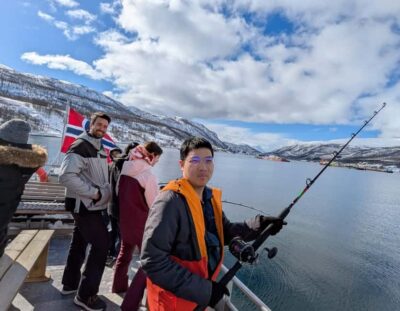
Tromsø: Arctic Fjord Cruise & Fishing Experience
Read our review →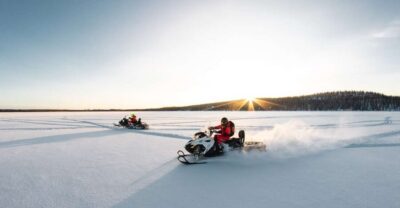
Rovaniemi: Snowmobile and Ice Fishing Adventure with Lunch
Read our review →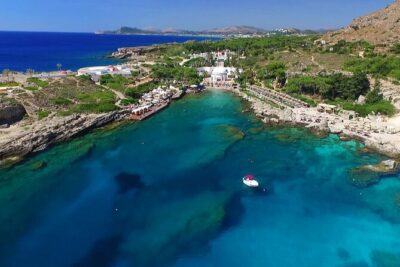
Makarounas Fishing Boat Trip with swimming stop and BBQ on board
Read our review →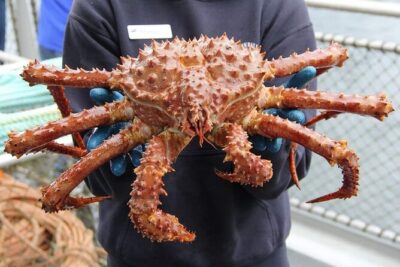
Bering Sea Crab Fisherman’s Tour from Ketchikan
Read our review →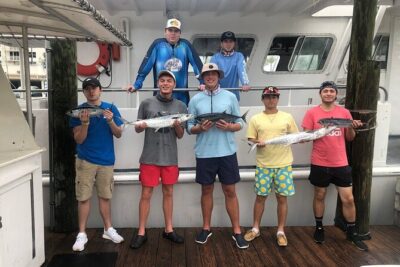
Drift Fishing Trip off the Coast of Fort Lauderdale
Read our review →