
REVIEW · COOKING CLASSES
Mumbai Coastal Cooking: From Fishing Net to Flavourful Plate
Mumbai’s fishing communities go back to the days when the city was a group of seven islands. This experience gives you a close look at that older Mumbai, from boats and hand-woven nets to a home kitchen where seafood becomes lunch. The most personal part is time with hosts Kavitha and Ravi, who welcome you into their home and explain both the food and their daily lives.
I like the small private-group format, which makes it easier to ask questions and take part rather than simply watch. I also like the mix of street-level culture and cooking, especially the chance to see a fish market, meet fisherwomen in colorful sarees, and prepare dishes such as mandeli, fish curry, roti, and rice.
The main consideration is that the fishing-village visit is not guaranteed in its advertised form. Access restrictions recently meant that the experience took place mainly at Kavitha’s home, and the cooking session lasted about three to four hours instead of the stated three. For many people, that will be a worthwhile change, but you should book this for the people and food, not only for a fixed sightseeing route.
Key points at a glance
- Meet Kavitha and Ravi at home: The hosts speak very good English, making the cooking lesson and personal conversation easy to follow.
- See Mumbai’s fishing culture: The planned route includes a beach, fishing boats, net weaving, docks, and a local fish market.
- Cook a full coastal meal: Dishes can include mandeli, fish curry, fried fish, rice, roti or chapati, and other local preparations.
- Expect plans to shift: Access to the fishing village may be limited, in which case the home meal becomes the main event.
- Good value at $21: A private three-hour experience with transport, market access when available, and cooking instruction is priced well.
- Book for personal contact: This suits you best if you want conversation and a home meal rather than a polished cooking school.
Mumbai’s fishing communities before the modern city
Before Mumbai became a major commercial center, fishing was a central way of life across its seven islands. The Koli fishing communities remain an important part of the city’s identity, and this activity is designed to introduce you to that side of Mumbai through ordinary places rather than grand monuments.
You begin at a designated meeting point, which can vary depending on the option you select. From there, a tuk-tuk ride takes you toward the fishing area. That short ride is part of the experience: it shifts you from the usual visitor route into residential Mumbai and gives the outing a practical, local feel.
The route may include a historic festive ground connected with the British period. The information available does not promise a formal guided history talk there, so treat it as a brief cultural stop rather than a major monument visit. Its value is in showing how older community spaces fit into the city around them.
More Cooking Classes in the world:
- HoiAn:Making Lantern & Cooking Class-BasketBoat Ride,Crab fishing
★ 5.0 · 162 reviews - Hoi An: Cooking Class, Crab Fishing-Basket Boat, Market Tour
★ 4.8 · 108 reviews - Bergen: Guided Fishing Tour with Outdoor Cooking
★ 4.8 · 96 reviews
Boats, nets, and the working waterfront
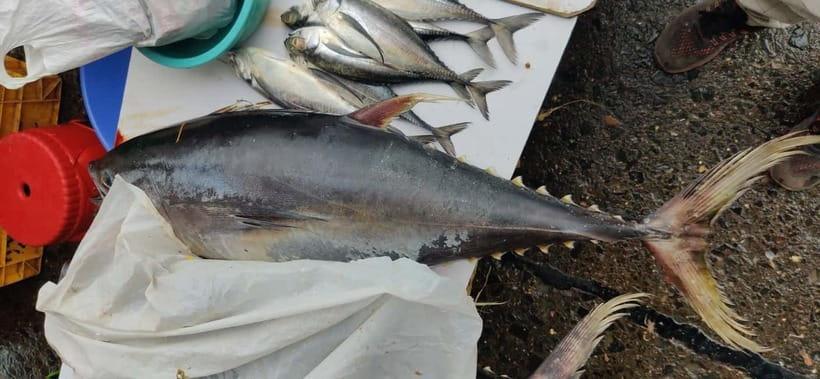
At the beach, you can see the fishing boats and get a sense of the work behind the seafood sold in the market. The plan also includes watching local net weaving and traditional fishing methods. These details matter because they connect your meal to the people who catch and prepare the fish.
Net weaving is not a staged museum display in the usual sense. It is a practical skill tied to the daily work of the community. You may find the pace slower than a standard sightseeing stop, but that is part of its appeal. You are looking at a living trade, not a recreated scene.
The walk through the fishing docks should also help explain the route from boat to market to kitchen. Conditions can depend on local access and the day’s arrangements. If the village area cannot be entered, you may miss this portion completely, so keep your schedule flexible and do not treat every listed stop as guaranteed.
The fish market and a closer look at daily life
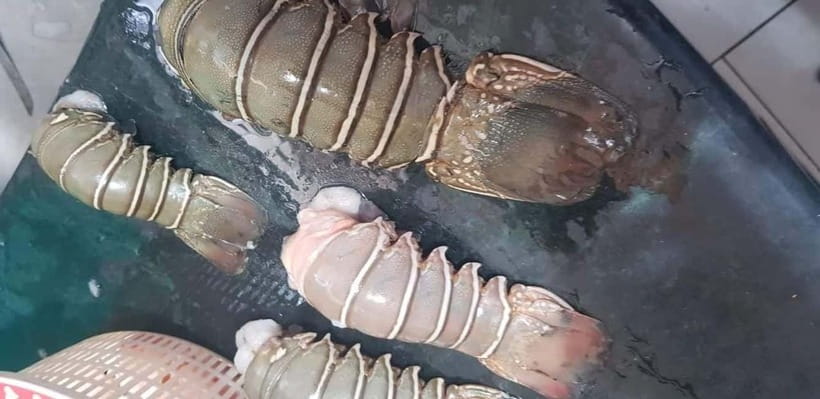
The fish market is meant to be one of the most colorful parts of the outing. You may see fisherwomen selling fresh catches while dressed in bright sarees, and you can observe the quick, practical rhythm of buying and selling. This is a working market, not a display made for tourists.
The market visit also gives useful context for the cooking class. Instead of learning seafood dishes as an isolated recipe, you see the ingredients in the setting where local families buy them. The experience includes personal interaction with local people, something that can be difficult to arrange on your own.
One recent version of the outing involved shopping in a residential area reached by metro. That change suggests the exact route can vary, and it also gives you a glimpse of everyday Mumbai outside the usual visitor zones. You should be ready for a normal neighborhood and local transport rather than a tidy market set up for photography.
The home kitchen with Kavitha and Ravi
The strongest part of the experience is likely the time spent with Kavitha. She teaches in her home, explains each step in English, and welcomes questions about both cooking and life in Mumbai. Her husband, Ravi, may join the meal and conversation once the cooking is complete.
This home setting changes the tone. You are not moving from one attraction to the next. You are sitting with a family, helping prepare food, and learning how a coastal meal comes together. That personal contact is especially valuable if you want to understand Mumbai through ordinary routines rather than only through famous sights.
The atmosphere is conversational. You can ask about ingredients, cooking methods, family life, and food customs across India. The hosts have also been praised for speaking very good English, so you should be able to follow the lesson without needing specialist cooking vocabulary.
The class may last longer than the advertised three hours. Recent sessions ran for around three to four hours, which is helpful if you enjoy a relaxed meal but less convenient if you have a tightly packed sightseeing day. Allow extra time rather than scheduling another important appointment immediately afterward.
A few more fishing trips around the world worth a look
- Tromsø: Arctic Fjord Cruise & Fishing Experience
★ 4.7 · 4,588 reviews - Rovaniemi: Snowmobile and Ice Fishing Adventure with Lunch
★ 4.8 · 879 reviews - Makarounas Fishing Boat Trip with swimming stop and BBQ on board
★ 5.0 · 831 reviews - Bering Sea Crab Fisherman’s Tour from Ketchikan
★ 5.0 · 747 reviews
What you may cook
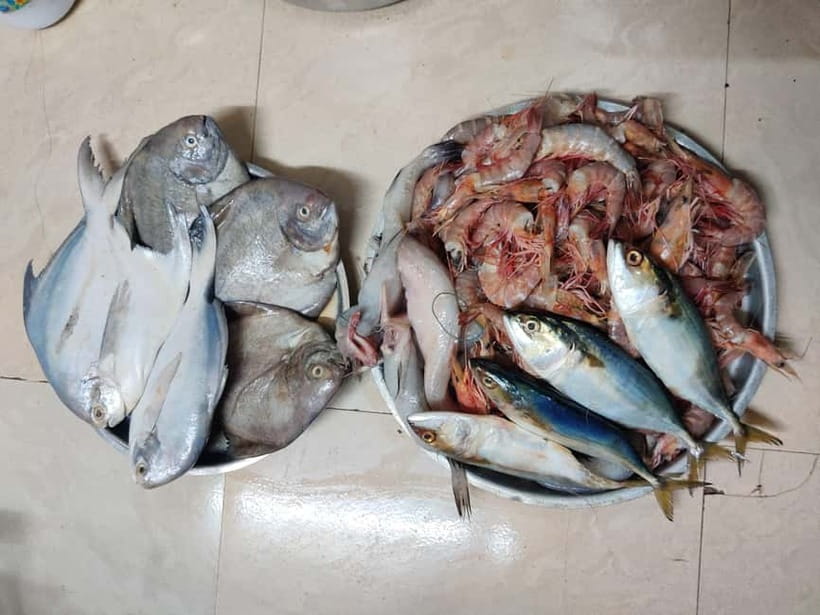
The meal centers on coastal food, with fish curry and fried fish as the main lessons. Mandeli, a small fish often fried, has been prepared during the class, along with rice and roti. You may also make chapati, local fisherman’s bread, chicken dishes, and a sour-spicy drink, depending on the arrangement for your session.
The recipes are taught step by step. You can expect guidance with preparation, seasoning, cooking, and shaping the bread. One participant was able to fry a batch of mandeli, which shows that this is intended as a hands-on class rather than a demonstration where you only watch from the side.
The bread lesson adds useful variety. Roti and chapati look simple, but getting the dough and cooking process right takes practice. Kavitha’s guidance gives you a chance to work through the process instead of treating bread as an afterthought.
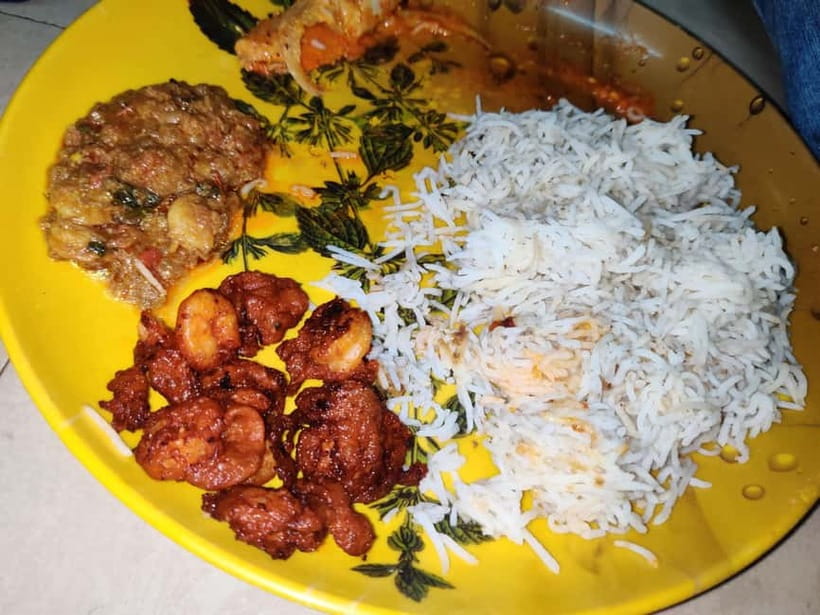
The final meal is eaten together. That shared table is important: the food becomes a reason to talk, not simply a dish handed over at the end. You will also get a better sense of how fish, rice, bread, and seasoning work together in a home-style meal.
Why the home version can be better than the planned route
There is a clear difference between the advertised experience and what may actually happen. The planned version combines the village, beach, boats, nets, docks, market, and cooking. But access restrictions have prevented the full fishing-village visit, leaving some sessions focused almost entirely on the home meal.
That is a drawback if your main goal is photography, fishing boats, or a walk through the docks. You should not assume that every outdoor stop will happen exactly as described. Ask about current access when you book if those parts are essential to your decision.
At the same time, the home version has its own strength. Several sessions have involved a long, open conversation with Kavitha and Ravi, along with a complete meal and direct cooking instruction. It can challenge simple assumptions about residential Mumbai and offer a closer look at how a local household cooks and lives.
For me, the right way to judge this activity is to see the village walk as a possible bonus and the home cooking as the reliable core. That mindset protects you from disappointment and helps you appreciate the experience for what it does best.
What $21 buys you
At $21 per person, this is a strong value if the private format and personal contact matter to you. The price includes the tuk-tuk ride, the fisherman’s village visit when available, the fish market visit, and the coastal cooking class.
You are paying less for a formal culinary school and more for access to a local household. That means the setting may be simple, the schedule may shift, and the class may not follow a polished printed curriculum. In return, you get direct contact with hosts, a meal, and an experience that is difficult to arrange independently.
The value is even better for people who want to ask questions and take part. If you only want a quick market visit or a restaurant meal, you may not need this activity. If you want to understand the food through the people who prepare it, the price is modest.
The private-group setup also matters. You are not trying to hear instructions over a large crowd, and the hosts can give attention to your cooking. Group size is described as private, though the precise number depends on the option booked.
Who should book this experience
I would recommend it to curious eaters, home cooks, and first-time visitors who want a personal introduction to Mumbai. It is especially good for you if you enjoy talking with local people and are happy to spend several hours in a home rather than racing between sights.
It also suits couples and small private groups. The hosts’ English makes the experience accessible, and the cooking gives you something practical to do even if you know little about Indian food.
You may want to skip it if you need a tightly controlled itinerary. The meeting point can vary, village access may be restricted, and the session may run longer than three hours. It is also not the best choice if you dislike fish or want a class focused only on vegetarian dishes, since seafood is central to the meal.
Families should check the option details before booking, because the supplied information does not state an age policy or any specific arrangements for children. The same caution applies to dietary needs: the activity details do not confirm substitutions or allergy handling.
Practical advice before you go
Wear clothes that are comfortable for local transport, walking, and cooking. The available details do not specify a dress code, but a home cooking class is easier when you are dressed for movement and do not mind a little contact with food or cooking surfaces.
Keep your booking confirmation close because the meeting point may differ by option. Since the route can involve a tuk-tuk, and one recent version included metro travel to a shopping area, check the starting details carefully before setting out.
Do not schedule the experience too close to another activity. The official duration is three hours, but actual home sessions have lasted about four hours. A little extra time will let you enjoy the meal and conversation without watching the clock.
English is the working language. Kavitha and Ravi can explain the cooking and answer questions in English, which is a major help during the market and home portions.
Free cancellation is available up to 24 hours before the start for a full refund, and you can reserve now and pay later. Those terms make it easier to hold a place while your Mumbai plans are still changing.
Should you book Mumbai Coastal Cooking?
Book this experience if your priority is a personal home meal, practical cooking, and conversation with an English-speaking local family. Kavitha’s teaching, the seafood dishes, and the chance to eat with her and Ravi are the strongest reasons to go.
Book with a flexible attitude about the outdoor route. If access is open, you may see boats, nets, docks, and the fish market. If not, you can still have a warm, useful cooking session that lasts longer than planned and offers a close look at everyday life in Mumbai.
At $21, it is an appealing choice for anyone who values contact over polish. Just remember that the fishing village is not the only point of the outing, and it may not always be possible. The dependable heart of the experience is the kitchen.
FAQ
How much does the experience cost?
The listed price is $21 per person.
How long does the activity last?
The stated duration is three hours. Some home cooking sessions have lasted about four hours, so allow extra time.
What language is used during the experience?
The host or greeter language is English. Kavitha and Ravi speak very good English.
Is this a private experience?
Yes. The group type is listed as a private group.
What is included?
The experience includes a visit to the fisherman’s village, a tuk-tuk ride, a fish market visit, and the coastal food cooking class. Village access may be restricted.
What food can I learn to prepare?
The class can include fish curry, fried mandeli or other fried fish, rice, roti or chapati, local fisherman’s bread, chicken dishes, and a sour-spicy drink.
Can the fishing-village visit be changed?
Yes. Access restrictions have meant that some sessions took place mainly in Kavitha’s home instead of following the full village route.
What is the cancellation policy?
You can cancel up to 24 hours in advance for a full refund. You can also reserve now and pay later.
Just added around the world
- ZANZIBAR FISHING EXPRIENCE★ 3.3 · 6 reviews
- Zanzibar Sea Fishing Boat Tour experience with Transfer★ 3.8 · 16 reviews
- Zadar: Fishing Boat Trip with Lunch and Swimming Included★ 5.0 · 9 reviews
- Zante Fishing Tours★ 5.0 · 7 reviews
- Wonga Beach: Hook-A-Barra Fishing Experience★ 4.7 · 16 reviews
- Ylläs: Snowmobile Adventure with Ice Fishing★ 4.7 · 18 reviews
- Wonga: Guided Fishing, Farming and Tasting Tour★ 5.0 · 2 reviews
- Wismar: Harbor Cruise with Sea Animal Fishing and Guide★ 4.6 · 22 reviews
Cooking Classes, compared.
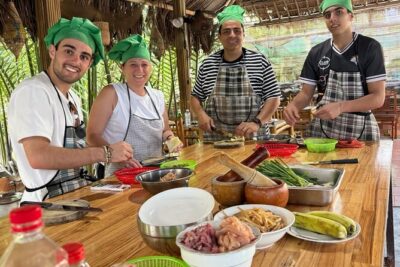
HoiAn:Making Lantern & Cooking Class-BasketBoat Ride,Crab fishing
Read our review →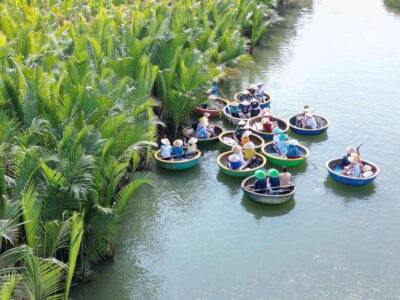
Hoi An: Cooking Class, Crab Fishing-Basket Boat, Market Tour
Read our review →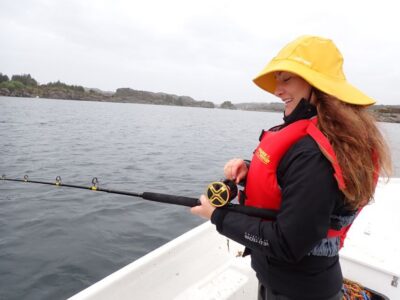
Bergen: Guided Fishing Tour with Outdoor Cooking
Read our review →
PRIVATE Mekong Delta 1 Day with Kayaking, Biking & Cooking
Read our review →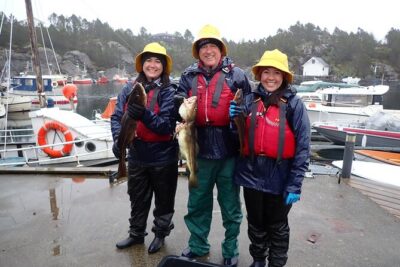
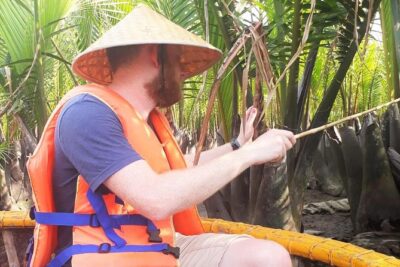
Hoi An Eco Tour & Cooking Class ( local market ,basket boat ,fishing,cooking )
Read our review →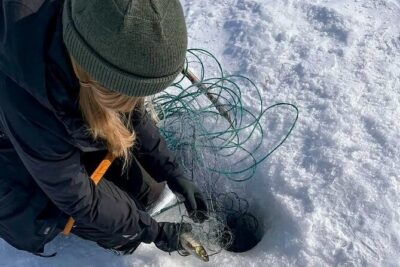
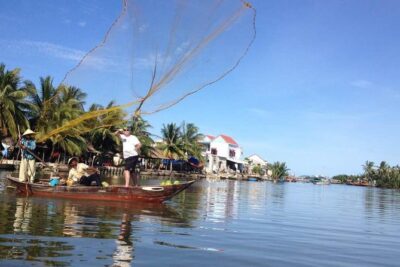
Hoi An Basket Boat Tour & cooking class(local market, boating, fishing crab…)
Read our review →Browse the lists this tour appears in